Sitios históricos
Canada’s Penitentiary Museum: The Warden’s House, Full of Things Nobody Was Supposed to Have
Actualizado el 24 de noviembre de 2026 · 3 lugares
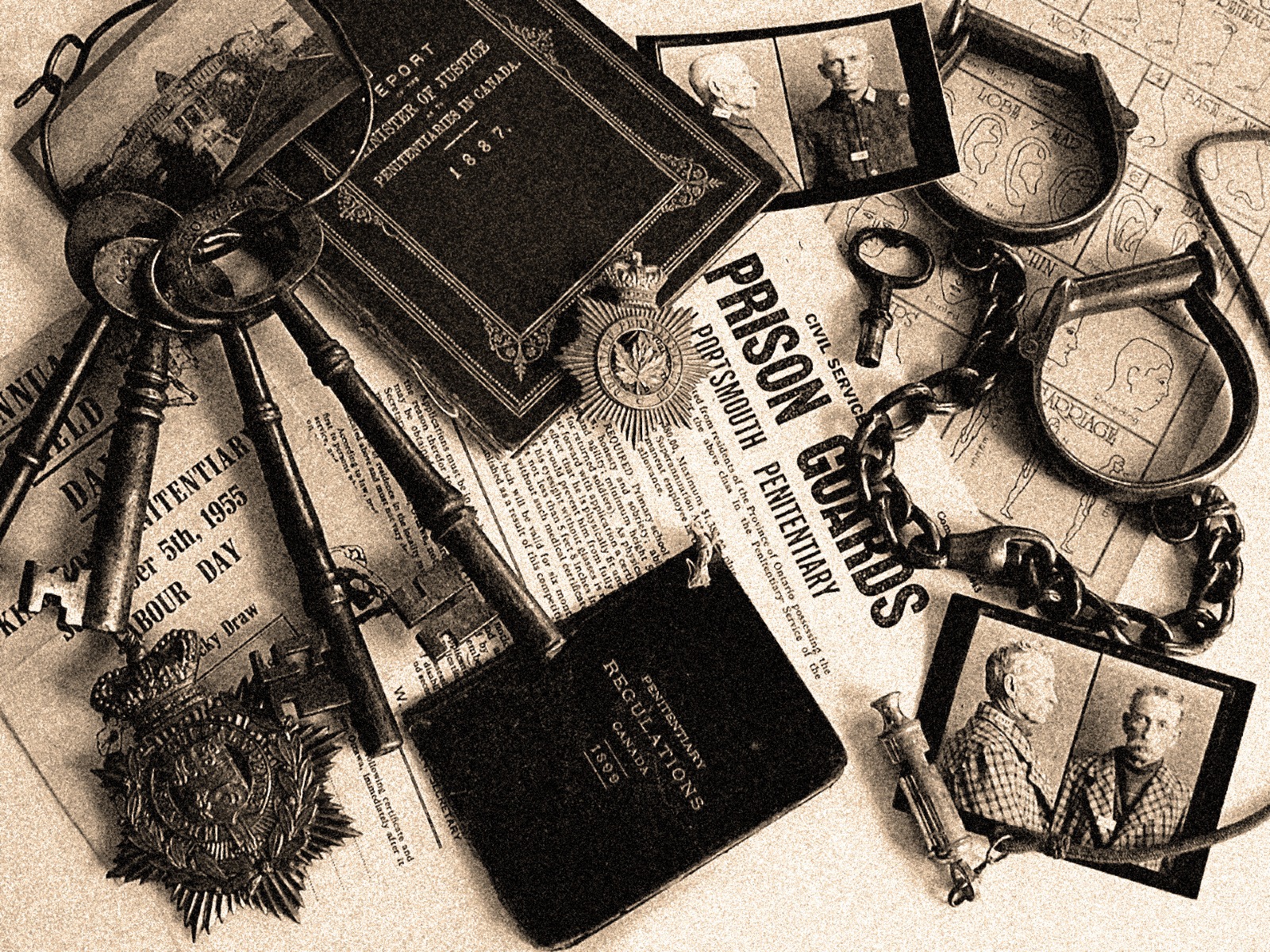
Confiscated shivs, escape ropes and prison-made art, all in a limestone mansion built by the inmates themselves. Kingston’s most honest little museum.
Kingston has a lot of prisons. Like, a lot. Ask anyone from out of town what they know about the city and there’s a decent chance the answer is “isn’t that where the Pen is?” It is. And right across the street from it sits Canada’s Penitentiary Museum, a small, surprisingly moving museum about the people who lived and worked behind those walls.
A house built by the people it was built to watch
The museum lives in Cedarhedge, the old official residence of the warden of Kingston Penitentiary. Before it was built, wardens and their families lived in apartments inside the prison walls, which sounds cosy until you remember where they were.
Construction started in 1870 with Prime Minister Sir John A. Macdonald’s approval, and the work was done entirely by convict labour. Prisoners quarried the limestone nearby, cut it in the prison stone sheds, and built the house over almost three years for about $9,000 in 1870s money. On August 28, 1873, Warden John Creighton and his five children moved in. The name came later, from the long, carefully trimmed cedar hedges that lined the driveway.
By all accounts it was a comfortable life. Gaslight, servants, a view of the lake. And, directly out the front window, the prison those servants and stonecutters might have come from. Kingston has always been good at irony.
The Pen across the road
Kingston Penitentiary opened in 1835, before Canada was even a country, and it was considered a model prison at the time. Charles Dickens dropped by in 1842 and was suitably impressed. It went on to hold some of the most notorious people in Canadian history, survived a major riot in 1971, and finally closed in 2013. These days you can tour it, which is a much better way to see the inside of a prison than the alternative.
What’s inside the museum
The collection started with contraband, the confiscated stuff guards gathered up over the 1950s and 60s, and it’s still the part that makes people stop and stare. The museum moved into Cedarhedge in 1985, for the Pen’s 150th anniversary.
- Inmate ingenuity. Homemade weapons, escape tools and ropes, and other things crafted from everyday objects by people with a lot of time and a strong motivation. Some of it is genuinely clever. Some of it is genuinely unsettling.
- Prison art and hobby crafts. Carvings, models and artwork made by inmates, which show a very different side of the same people.
- How corrections changed. Uniforms, restraints, badges, cell displays and the story of how Canada’s federal prison system grew from one penitentiary in Kingston.
- The staff side. Guards, wardens and their families get their due too. It’s not a Hollywood museum. It’s a plain, honest one, which makes it hit harder.
Friendly tips before you go
- Check the season. The museum has traditionally run from spring to fall, and admission has been by donation. Check its website before you go, because hours and details change.
- Pair it with a Pen tour. Book Kingston Pen Tours across the road, and plan about an hour here before or after. Seeing the contraband after you’ve stood in a cell is a different experience.
- Mind the mood. This is real history with real victims and real people who served time. Kids are welcome, but some displays are blunt.
-
Qué hacer
Canada's Penitentiary Museum (Correctional Service of Canada Museum)
The museum, in the old warden’s house across from the Pen.
-
Qué hacer Local attraction, tour operator, or recreational venue offering sightseeing, cultural, and entertainment experiences.
Kingston Pen Tours
Guided tours of Kingston Penitentiary itself, right across the road.
-
Sitios históricos Italianate villa where Sir John A. Macdonald, Canada’s first prime minister, lived in the 1840s. A National Historic Site run by Parks Canada.
Bellevue House National Historic Site
Another limestone house with a complicated history, a short walk away.