Sitios históricos
Murney Tower: The Stout Stone Tower Built for a Dispute on the Other Side of the Continent
Actualizado el 24 de noviembre de 2026 · 3 lugares
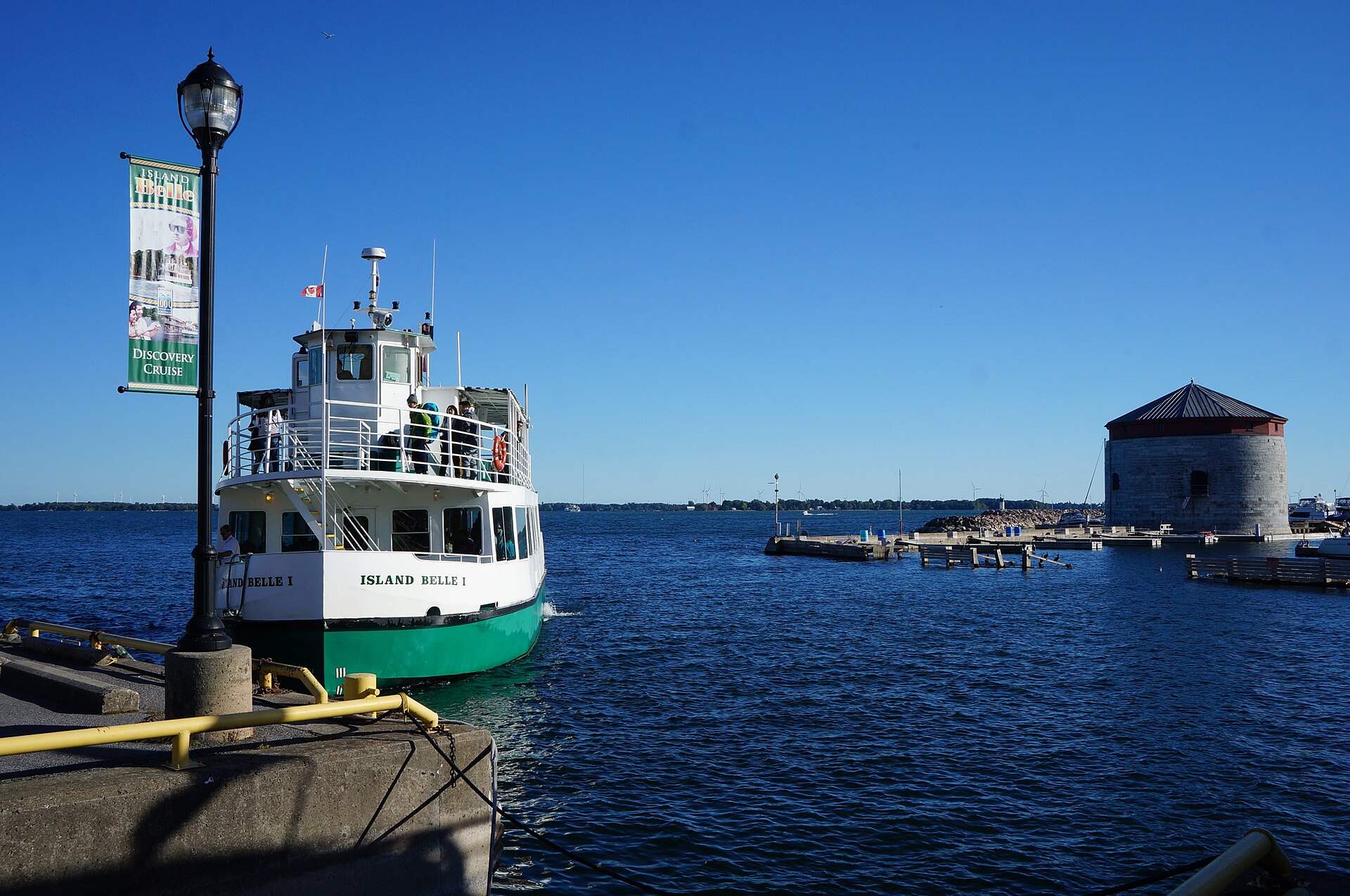
A round limestone fort on the waterfront, built in 1846 because of an argument about Oregon. Now Kingston’s oldest museum, with a cannon on the roof.
Walk along the waterfront west of downtown and you’ll run into a squat, round limestone tower with a pointy roof, like a giant chess rook that wandered down to the lake. That’s Murney Tower, one of Kingston’s Martello towers, and its reason for existing is one of the more delightfully absurd stories in Canadian history.
Fifty-four forty or… Kingston?
In the 1840s, Britain and the United States were arguing over the Oregon Territory, a huge chunk of the Pacific Northwest. American expansionists had a catchy slogan, “Fifty-four forty or fight!”, referring to the northern boundary they wanted. People started talking about war.
Kingston is about as far from Oregon as you can get without falling into the Atlantic. But it was a major British naval base and the end of the Rideau Canal, so if a war broke out, this was a place worth attacking. In 1846 the British started building four new Martello towers around the harbour, plus the Market Battery where Confederation Park is now.
The Oregon dispute was settled by treaty in June 1846, while the towers were still going up. Kingston finished building them anyway. In fairness, you don’t want to stop halfway through a fort.
A tower with an identity crisis
The tower was meant to be called Murray Tower, and that’s what the stonemasons carved over the door. Somewhere along the way, someone changed one of the Rs to an N in lead, giving you the hybrid “MURNAY.” It ended up being known as Murney Tower, after Henry Murney, who owned the land. The correction is still there to see.
Life inside
Martello towers were built to be tough: thick stone walls, a ditch around the base, and a heavy gun on the roof that could swing around to cover the water. Murney’s rooftop gun is a 32-pounder that could fire roughly two kilometres.
They were also homes. The tower was garrisoned by the Royal Canadian Rifle Regiment, a unit of long-serving soldiers chosen partly because they were less likely to desert across the border. Many had wives and children, and several families could be living in the tower at once. Imagine raising kids in a round stone room with a cannon upstairs. Now imagine winter.
What to expect
- Three floors of history. The museum has been run by the Kingston Historical Society since 1925, which makes it Kingston’s oldest museum. It’s full of military and domestic artifacts from 19th-century Kingston.
- The barracks floor. See how soldiers and their families lived, ate and slept.
- The basement. Storage and the powder magazine, down in the cool stone depths.
- The gun platform. Up top, the big cannon on its turning carriage, and a lovely lake view the soldiers probably stopped noticing after a week.
Friendly tips before you go
- It’s a summer museum. It’s traditionally open from May to Labour Day. Check the Kingston Historical Society’s website for this year’s hours and admission. The outside is free to admire any time.
- Watch the stairs. They’re narrow and steep, as you’d expect in a fort.
- Walk the waterfront. Murney sits right on the path between downtown and Breakwater Park, so it’s an easy stop on a lakeside stroll.
- Collect the set. Spot Shoal Tower in the downtown marina, Cathcart Tower on Cedar Island and Fort Frederick at the Royal Military College. Murney is the one you can most easily walk into.
-
Qué hacer Local attraction, tour operator, or recreational venue offering sightseeing, cultural, and entertainment experiences.
Murney Tower Museum National Historic Site of Canada
The tower and museum, at the foot of Barrie Street on the waterfront.
-
Sitios históricos 19th-century British fortress overlooking the harbour, part of the Rideau Canal UNESCO World Heritage Site, with guided tours and the Fort Henry Guard.
Fort Henry National Historic Site
The fort Murney was built to back up.
-
Qué hacer
Royal Military College of Canada Museum
In Fort Frederick, another of Kingston’s Martello towers, across the harbour.