تاریخی مقامات
The Great Lakes Museum: Shipwrecks, Steam and a Dry Dock That Isn’t Very Dry
24 نومبر 2026 کو اپ ڈیٹ کیا گیا · جگہیں: 3
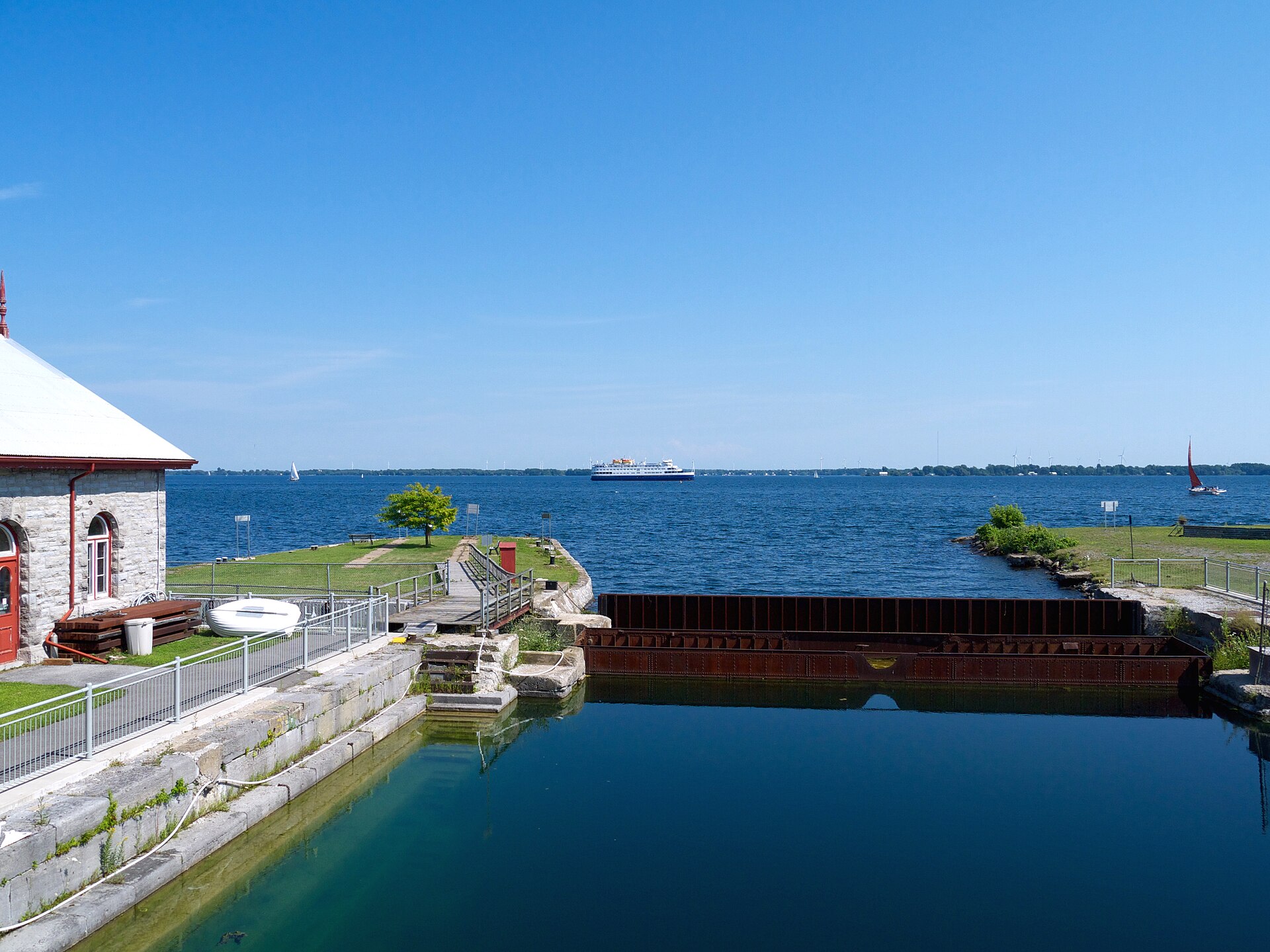
Kingston built ships for over a century, and this museum on the old shipyard tells the story, complete with a historic dry dock and a 1907 steamship parked in it.
Long before highways and railways, the Great Lakes were how you got anywhere in this part of the continent. People, furs, timber, grain, soldiers and settlers all moved by water, and Kingston sat right at the junction where Lake Ontario becomes the St. Lawrence River and meets the Rideau Canal. So it’s no surprise the city spent a century building and fixing ships. The Great Lakes Museum, known for decades as the Marine Museum of the Great Lakes, is where that story lives now.
A museum on a real shipyard
The museum sits on Mississauga Point at 55 Ontario Street, on the site of the old Kingston Shipyards. Its centrepiece is the Kingston Dry Dock, built by the federal government between 1890 and 1892. A dry dock is a big basin: you float a ship in, close the gates, pump the water out, and suddenly you can fix the bottom of a boat without sending someone down in a diving suit. Kingston’s was powered by steam pumps in a solid limestone pump house next door, and the original pumping engines from 1891 are still there.
It wasn’t a coincidence that the federal government put a dry dock here, by the way. This was Sir John A. Macdonald’s riding. Some things never change.
For more than seventy years the yard built and repaired ships of all sizes. During the Second World War it built naval vessels, including corvettes, the small, tough escort ships that guarded Atlantic convoys. The shipyard closed in 1968, the dry dock became a National Historic Site in 1978, and the museum moved in after it was founded in 1975.
What to expect
- The dry dock itself. Walk out and take a look at the basin. It’s called a dry dock, but these days it’s full of water, which is useful, because there’s a ship in it.
- The SS Keewatin. A 1907 Canadian Pacific passenger steamship, older than the Titanic, now permanently berthed in the dry dock. It deserves its own visit, so it has its own guide.
- The pump house. The old engine room, with the steam pumping machinery that drained the dock.
- Great Lakes history. Ship models, navigation instruments, and stories of the vessels, people and wrecks of the lakes. The Great Lakes look calm in July. They have sunk thousands of ships. Both things are true.
Friendly tips before you go
- Book the ship and museum together. Tickets for the Keewatin and the museum are sold through the museum’s website, and combined tours are the easiest way to see both.
- It’s seasonal. Like most Kingston attractions, the busy season is late spring to fall. Check the museum’s website for this year’s hours and tour times.
- Pair it with a waterfront walk. You’re right on the waterfront path, so it’s easy to keep going toward downtown or west toward Murney Tower and Breakwater Park.
- Rainy-day friendly. Much of the visit is indoors, which counts for a lot in Kingston.
-
گھومنے کی جگہیں Maritime museum in Kingston preserving and showcasing the nautical history of the Great Lakes.
Great Lakes Museum
The museum, at 55 Ontario Street on the old shipyard.
-
گھومنے کی جگہیں Historic steam museum and discovery centre in Kingston highlighting industrial heritage and science exhibits.
PumpHouse
Another steam-powered museum just down Ontario Street. Kingston really likes its engines.
-
تاریخی مقامات Limestone city hall built in the 1840s, when Kingston was Canada’s first capital. A National Historic Site on Springer Market Square, with tours.
Kingston City Hall
A short walk along the waterfront.